
When writing your stories, don’t make them a laundry list of what happened and when. That’s important, but there’s more to the stories than that, especially if you want to make them more interesting. You are the main character of your stories and your family and other readers are interested in a bigger picture—what you thought, how you felt, how did something affect you. A May 21, 2025, article in the Transylvania Times is an important read highlighting that the “heart of memoir” is your emotional journey.
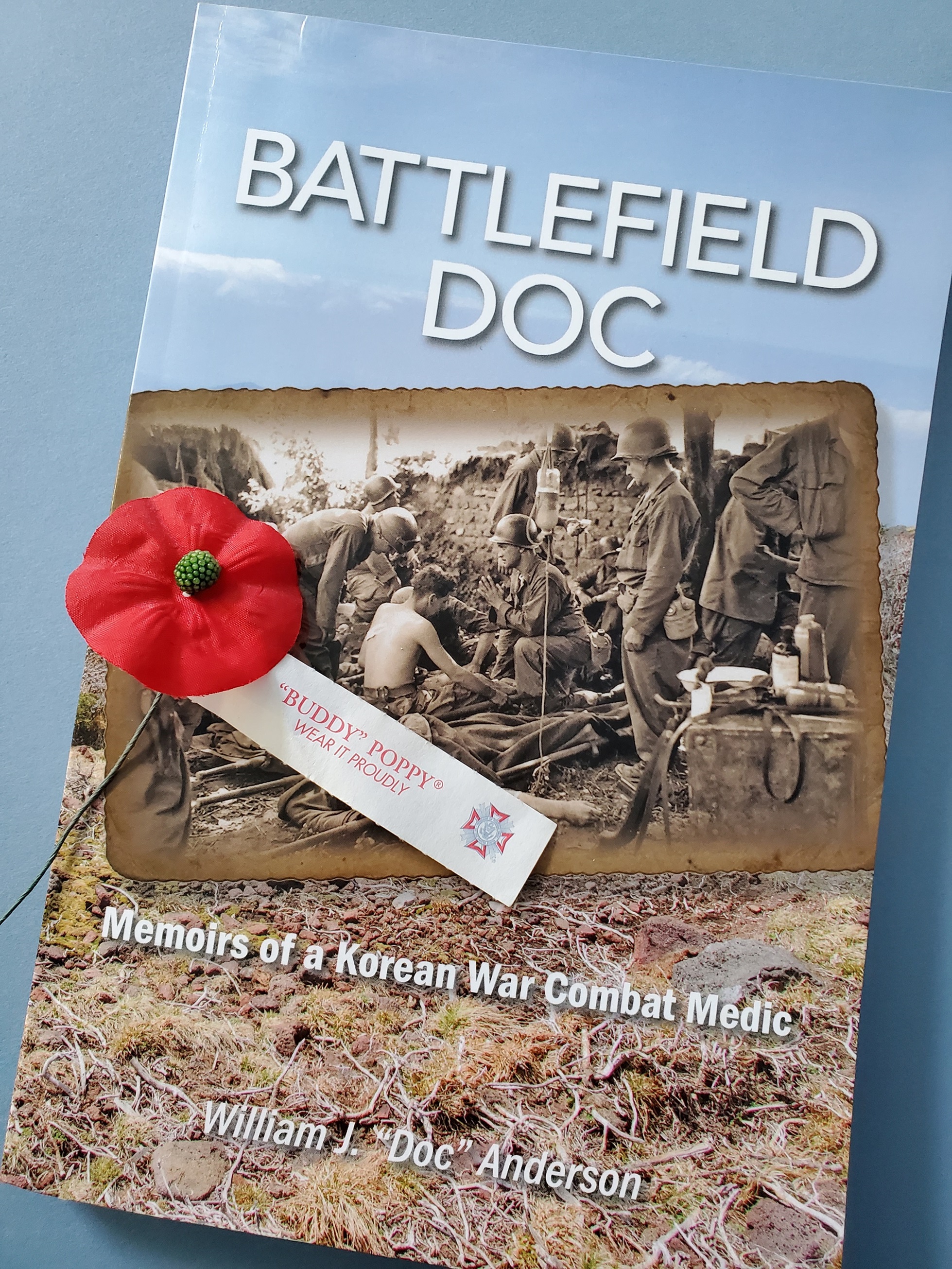
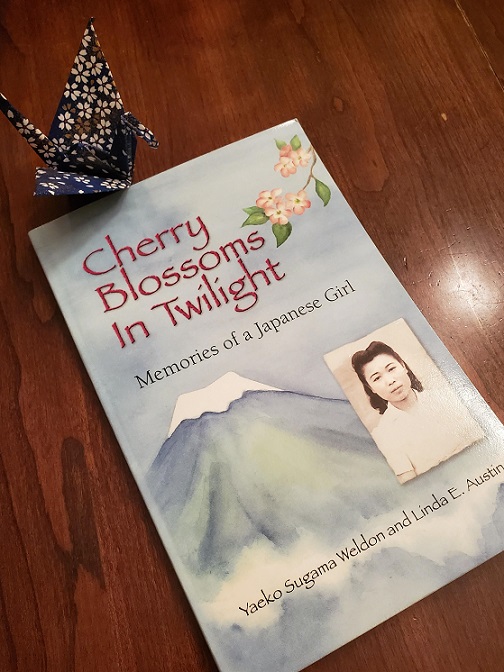
When I put together my mother’s Cherry Blossoms in Twilight, about her life in Japan around WWII times, my Korean War medic veteran friend’s Battlefield Doc, and my very elder neighbors’ early lives in our town, I tried to get their thoughts and feelings about what they were experiencing. Mostly I failed. I suspect those of that older generation were accustomed to NOT thinking or feeling too much, or at least to keeping things to themselves. Many people nowadays feel little to no qualms about telling personal details and expressing thoughts, which if included in their written stories, makes them into more nuanced 3D characters, their personalities shining through.
Doc said he had to put any emotions aside else he would not have been able to be a good medic. He had to focus on trying to save lives under pressure and not get attached to anyone as they could be here one day and carted away the next. There was no room for emotions, just survival and duties. My mother mostly said she couldn’t remember what she thought, except for a few moments she was scared or when she thought it silly that kids with pointed sticks could be a match for enemy soldiers with guns.
We of our more open generations can feel more free to say how we felt or how something affected us. Readers of our memoirs or life stories can have a richer experience of history, culture, and who we are. On this Memorial Day weekend, we honor veterans who gave their lives during wars but also our ancestors. I hope you have some good stories of these family members, whether they expressed their thoughts and emotions or not.




 moonbridgebooks