Sympathy vs Empathy and the importance of memoir

Recently a well-known public figure, to many, at least, was assassinated in a public forum, horrifying onlookers including his family and the audience that included children. Controversial quotes from him are all over the internet, including his belittling of empathy as a “made-up, new age term that has caused a lot of damage.” Jesus must have been “new age” as He often felt deeply, was even deeply moved to tears enough to do a miracle of healing amidst the wailing of others (John 11:33-35). This particular public figure, though, preferred “compassion” and “sympathy.” I can’t find how he thought empathy is damaging, although too much can make you anxious and even feel depressed and helpless.

I advocate life writing and reading memoirs, articles, essays, even poems about other people’s experiences because I think it does result in empathy and understanding. Not particularly sympathy as that, to me, is a superficial emotion. Sympathetic thoughts and prayers do little to help or understand anyone. Sympathy is easy—aww, I’m sorry, and maybe you’ll send a card or bring over cookies. Compassion, like sympathy, is also standing apart and observing and feeling sad for someone but a little deeper. It can manifest as pity. It might push you to active support, or not.

Empathy is deeper, stronger, to the heart, maybe because of your own related experiences or you have a new understanding. Empathy can make you want to actively do something to help, and not just help one person. Empathy can push us to try to change things for the better, because you better understand how someone feels. When you see something unjust or tragic, even an abused animal, it’s not sympathy, it is empathy that makes you feel deeply enough to want to help somehow.

I’ve read memoirs of people suffering grief, who have lived through wars, who live with disabilities, who are adopted and struggling with emotions, who were abused, who lived in abject poverty. When you read, you become part of their story, walking alongside them. You find understanding and you become aware of lives outside your own little self. Your mind opens to new thoughts and experiences.

This world and the US are deeply troubled, and from listening to others via news and comments (if you dare read them) on social media, too many people are full of ignorance and lack of empathy, leading to cold hearts and vicious comments. Many people need to not walk in someone else’s shoes but walk beside someone to better understand circumstances different from what their limited knowledge and understanding (and perhaps closed, judgmental minds) allow. But with all the nastiness that assails us, realize that there really are more good people than mean. Let’s hope the light overcomes the darkness.

Today, Sept 21, is the International Day of Peace. “Peace cannot be achieved by force, it can only be achieved by understanding,” said Albert Einstein. Understanding can lead to empathy and action.
Posted in lifewriting, relationship, sharing | Tagged | 6 Comments

Enjoying cultural festivals, especially of your own heritage

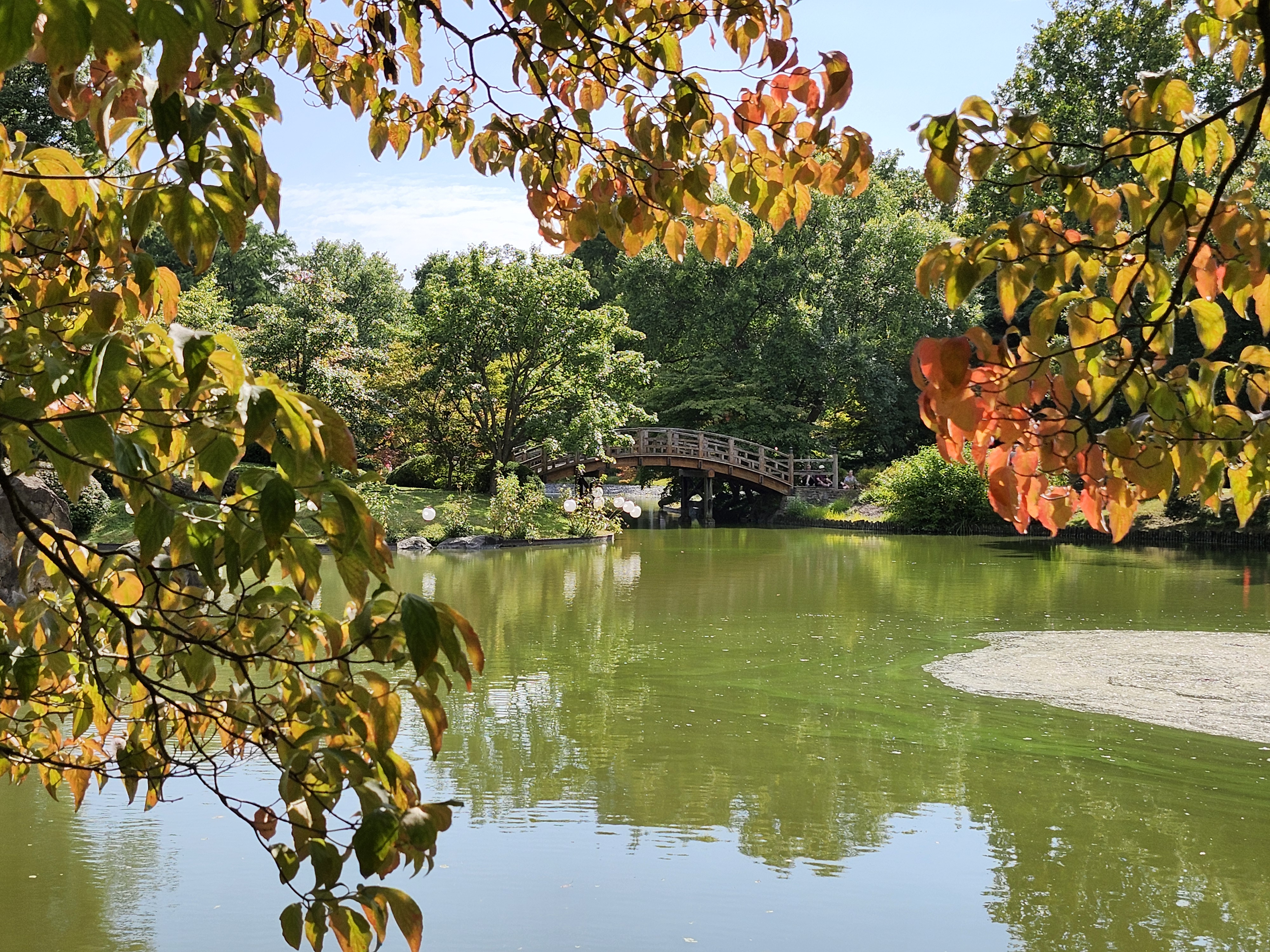
I enjoy the annual Japanese Festival at our botanical garden, always over Labor Day weekend. I join in the Obon dancing and light a lantern for my mom and family members to float on the lake at night – toro nagashii is so peaceful and poignant (once you move away from the chatting crowd and can hear the gentle music). In this way I honor my mother and my cultural heritage, although I also belong to Japan-related groups here and keep a connection year-round that way.

I hope you have opportunities to enjoy your cultural heritage(s). In my area we are lucky to have many different cultural festivals. They welcome all. At the Japanese Festival, it’s fun to see so many people not of-Japanese heritage dressed in their own yukata or kimono. I think everyone becomes Japanese at the festival, like everyone becomes Irish on St. Patrick’s Day. It’s fun to learn about and to enjoy other cultures’ traditions, widening our world experience and people connections a little without the expense of traveling afar, and these days we sure need to widen our worlds and connections.

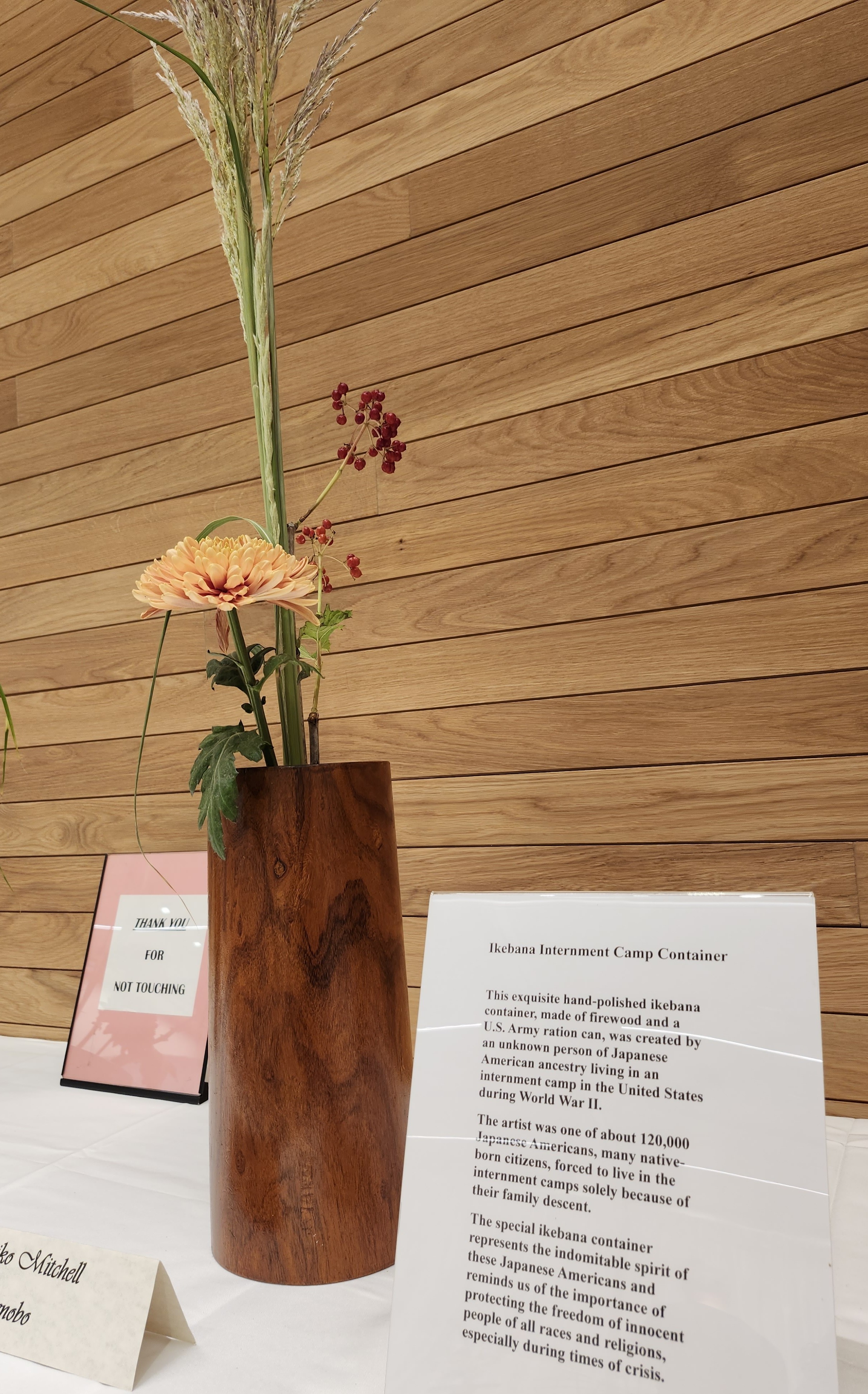
This beautifully polished ikebana container was made in one of the internment “camps” for Japanese Americans in the US during WWII. It is made from a thick branch (firewood) with a US Army ration can inside to hold water.

Posted in heritage, multicultural, traditions | Tagged , | Leave a comment

The Salty Path of Adding Fiction to Memoir

Memoirs are based on reality—your reality as you remember it. Don’t make up (lie) about important things, partly because somebody will know or find out and then people wonder if they can trust anything else you wrote. Not to mention, as in the case of The Salt Path by Raynor Winn (pen name), you could be toying with people’s empathy and emotions, and we generally don’t like being fooled.

If for some reason you want to completely or partially hide a truth that’s important to the story—because it is a very bad reflection on you or too embarrassing/traumatizing or you don’t want to get in trouble with—write something general to explain, don’t flat out lie or make up something. By the way, including what you think is a negative look on you can just make you seem human like everyone else, and more relatable. We all make mistakes and sometimes behave badly. Unless you seriously hurt someone or committed crimes, but even then, people are curious about these stories and they can be about redemption and healing.

The Salt Path memoir has a great storyline of running off to escape life stresses and indulge in nature to find physical and spiritual healing, so for the most part it is probably true and inspiring, so much so that a movie has been made of the book. Sadly, the surrounding “facts” taint the story, and for some it taints the author and the whole book. Beware. Know that you can always fictionalize your story and say it is “based on a true story,” which works for commercially available books which are then labeled as fiction. Don’t try to sell this to your family as “truth,” though.

AP article about The Salt Path book controversy

Posted in book talk, lifewriting, memoir writing | Tagged , | Leave a comment