For anyone who likes to write poems, know that you can create a memoir using poems. You can write about your life using poems. Or, you can simply include poems in your memoir or lifewriting, mixing them in with prose. A poem is a piece of your heart that you can leave to your children and their children. More than text, a poem is a deep reflection of your thoughts and feelings and can be stunningly meaningful and beautiful and really tell who you are as a person. Few words can say so much, expose so much.
I have written poems since high school. I have written poems about my husband, my children, my mother and father, and even about pets. I have written poems during difficult times and about what has affected me in the world. Since I’ve finally finished publishing the stories of all my and my husband’s parents, it’s time for me to write my stories, and I will be including many poems.
March is Women’s History Month, a time set aside to commemorate women who are – or should be – a part of history to be remembered. Women worldwide have long been relegated to the sidelines, as the invisible people who take care of children and husbands so the men can be free to have careers and do great things. In many countries this is still the case. International Women’s Day during this month remembers all women, and especially their hard won rights to vote, to be independent and have careers, to not be discriminated against or abused. Women are still speaking out about injustices and can’t easily be ignored anymore.
We read and learn about women who have stood strong and accomplished much, and their stories are important to tell. But I also think every woman’s story is important to tell. Older women especially have come through tough times in history, working hard at home to feed and care for their families amid old ways, some working in fields or doing odd jobs to earn extra money. My mother-in-law remembers outhouses, no electricity, and picking cotton as a small child. Some women cared for multiple children alone and in poverty, after a husband died or abandoned the family – of course, this happens today, too. Women’s work was hard and never-ending then and women had to be strong.
Many women do the brunt of caring for home and families while working jobs outside the home. Mothers can’t stop when they’re sick or exhausted. Most of society’s caregivers are women as nurses or aides for the homebound or in nursing homes, or they care for elderly parents—often while caring for their own young children. Women also are the volunteers that work to support nonprofit community services, or for the church or schools.
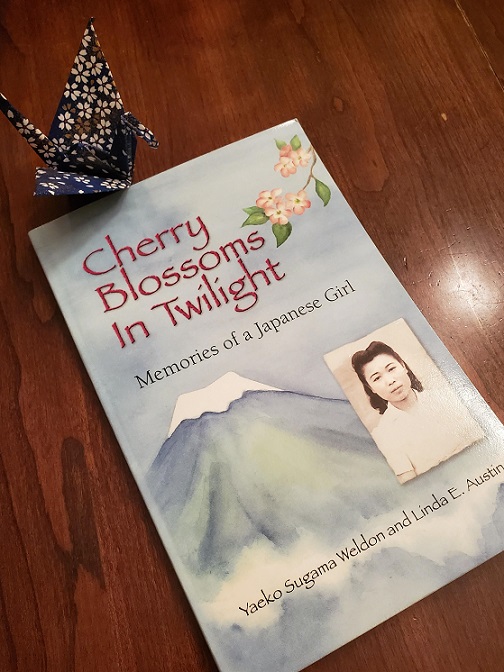
During this month of celebrating women, take time to read and learn about women who have accomplished much despite obstacles—so many memoirs, biographies, and documentaries are out there about famous women. Celebrate the lives of the women in your life, including yourself if you are a woman reading this. Learn the stories of mothers and grandmothers and let your children know them. I encourage life writing to save the stories for now and future generations. These stories save history, culture, and society. After I published my mother’s stories of living through WWII in Japan, a woman in her senior living community approached her and said her granddaughter had recently called her to say she had read the most wonderful book – and it was her grandmother’s memoir.
In honor of February being Black History Month, I’m posting some of my favorite memoirs written by Black authors. Most are older books (oldies but goodies) read some years ago, since I’ve only recently had some life changes giving me more time to read for fun – and I am much enjoying that! Take a look at these authors’ websites and other books written by them.
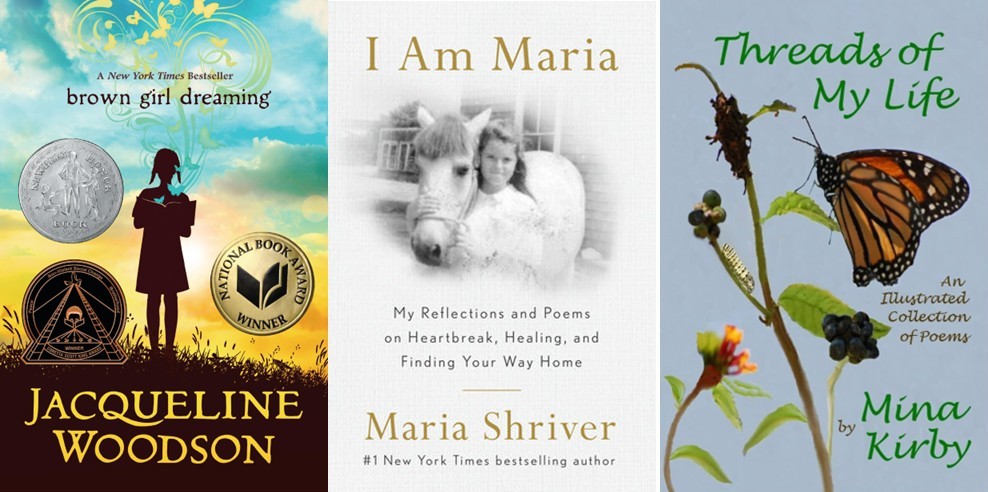
Brown Girl Dreaming by Jacqueline Woodson is a memoir of a brown girl growing up, told in meaningful poems easily understandable and not too long, and they often pull at the heart.
The Last Children of Mill Creek is Vivian Gibson’s memoir of growing up in a segregated, thriving Black community in St. Louis, before it was torn apart to make way for a highway. Published in 2020, this book is historic to St. Louis as perhaps the only written lived experience of the Mill Creek neighborhood that had been forgotten or unknown to many. Vivian continues to do many presentations about Mill Creek and what happened to it.