
Judy Bolton-Fasman wrote an intriguing op-ed for the New York Times relating her family history stories to Massachusetts Senate hopeful Elizabeth Warren’s claims of American Indian heritage. (Thanks to online memoir-writer friend Gene Bodzin for this.) Bolton-Fasman, in All My Mother’s Stories, says Warren’s ads countering opponent Scott Brown’s questions say, “What kid asks her mother for documentation?”
In her op-ed piece, Bolton-Fasman says her own mother lied about parts of her past. When Bolton-Fasman discovered this, she then questioned the family history of royalty her mother had passed on to her. She never did any genealogical research, though—why bother, she thinks, the point is that the family believed this for generations and therefore their lives were shaped by it. She thinks the details of Warren’s family history don’t matter either: “It’s a family legend that has inspired her to identify with the dispossessed and work on behalf of the marginalized.”
As a proponent of lifewriting and memoir, I agree with this to a point. Family history can shape descendants’ perspectives of who they are, even if parts of the history later become exposed as legend. It would be quite sad if you were proud to be descended from an Indian tribe and discovered you were not. Maybe it would affect your love of attending Indian tribal gatherings or collecting Indian jewelry, but maybe it would not. The question is what do you do with knowledge of the truth?
I think genealogy fans would argue the truth should be dug up and verified if possible. It would be wrong to blindly or, worse, deliberately pass along falsehoods. As a lifewriter, I would argue the legends should be included in the family history not only as a point of interest but because legends can shape beliefs and values. Also of interest is the family reaction when beliefs are found to be untrue.
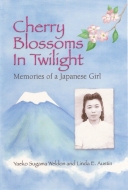
And now for a personal story. My sister and I long treasured a photo of a round-faced, big-eyed little Japanese girl standing barefoot, captured in a black-and-white studio photo. It is one of only two childhood photos of our mother. Except it is not. Several years ago, before dementia had a firm hold on her, my mother said, no, it was of her older sister. I think my sister and I are still crushed by that. I know I’m still clinging to the hope she is wrong.

Not my mother


 moonbridgebooks