Finding The Personal History of Rachel Dupree

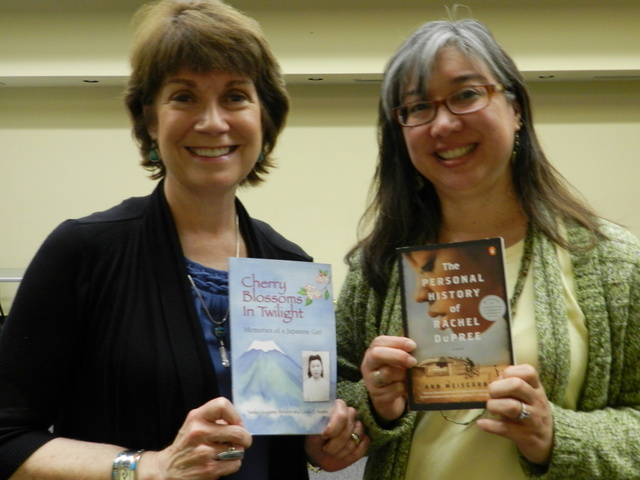
Author Ann Weisgarber flew in from Texas to talk to our St. Louis Publishers Association about the publishing journey for her debut novel, The Personal History of Rachel Dupree. The book is fiction, but its story has value for memoirists, too.

While on vacation in South Dakota, Ann saw a photo of a young black woman standing in front of a sod dugout. Something about this woman haunted her – who was she, was she alone, what was it like being black on the frontier? Ann felt a story was there, and she wanted to tell it, even if she didn’t know it. Unfortunately she soon discovered she didn’t write very well! (Yes, her husband gently broke the news to her.) Did that stop her? No.

Ann wanted to honor this unknown woman’s courage, perseverence and sacrifice, common traits all pioneers had to have, but here was a black woman whose life must have been all the more difficult. So Ann took non-credit writing classes. She also did a lot of research about pioneer life in South Dakota and spoke to residents there about stories they had heard from their parents or grandparents. She researched other places of that time period (Buffalo Soldiers, Chicago stockyards, Ida Mae Wells-Barnett) that she wanted to include. And she did all this with no intention of being published! Until, that is, a writing teacher told her she had something special.

I won’t talk about how hard it was for Ann to find a publisher; the main point is that she did not give up in her quest to tell a story she felt was historic, important and forgotten. It had to be fiction, but a lot is based on real history, real hardships, real personal stories from those she interviewed. I think she is an inspiration for those of us wondering about the stories of relatives now deceased. Ann let me know that even people who have passed on have traces of story left. All it takes is a little research.

If there are any genealogy fans out there mixing stories into their lists of family names, let me know your experiences doing this. I’m thinking of posting how to combine genealogy with stories.

By the way, Ann’s book is very good – lots of drama, dust, and determination.
Posted in book talk, history, multicultural | Tagged | 2 Comments

The importance of story, but mainly of family

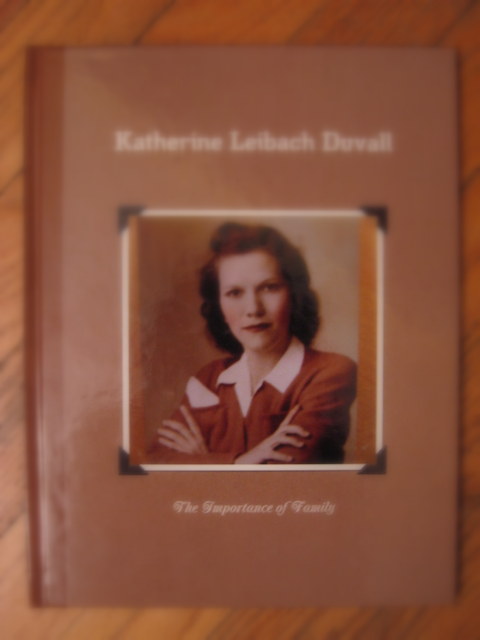
Katie is breathing her last. She came to the nursing home a few days before my mother and they were the new girls together. I love her dearly, and she told me many a story of the old days when her parents died and left her an orphan at the age of 13. She and her 16-year-old brother raised their three younger brothers alone, under the watchful eye of a few neighbors who tried to help as they could. This was the Depression, after all, and families had their own troubles to deal with.

I found Katie much worse today, but asleep and in no pain. Her son and his wife had been with her most of the night and were coming back from taking a break when I arrived. They thanked me again for writing her childhood stories into a book. Their pastor had a copy and was reading it in preparation for the funeral we know will come soon. As sad as we are she is leaving us, we know we will always remember her by her stories, printed and bound fast to our hearts.

In her last days
Life seems exquisitely sweet
She dreams of lilies?
They bloom in the garden
The one that awaits her


Posted in capturing memories, death | 9 Comments

Cook foods into your memoir

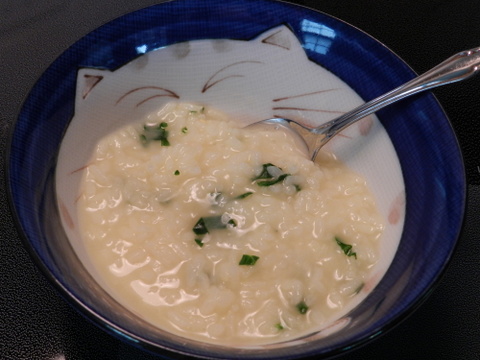
Today the daughter is home from school with nausea so I fixed her okayu, the Japanese soup for sick people. The Chinese have a similar rice soup, and Americans have their chicken noodle soup. I like passing my heritage on through food, and it’s even more rewarding when it makes the sick feel better! Be sure in your life writings to include special food recipes, and if you can take a close-up photo of handwritten recipes by Grandma or Mom, now that’s an especially delicious treasure to add.

Okayu

1 can chicken broth
1 cup day-old cooked white rice
1 tsp minced green onion (or yellow)

Simmer until rice grains are soft and fat, about 15 minutes. Add extras like minced fresh spinach, minced fresh mushrooms, minced leftover cooked chicken. Do not add salt as the broth is plenty salty, but a shake of garlic powder can be added. Add water as needed to keep it a bit soupy. (I use Japanese rice, so cooking time may differ slightly using American rice.)

Posted in capturing memories, heritage, recipe | 3 Comments