Japan’s recovery from tsunami tragedy

The Japanese call it 3/11. March 2011. A great moment of silence swept across their nation, in the middle of our last night, in remembrance of when the Great East Japan Earthquake first began a year ago. The emperor said, “It is important not to forget the memories of this tragedy and pass them on to our descendants, so that readiness for natural disasters is fostered and we can strive forward in building a safer country.”

While readiness for natural disaster, or even man-made disaster, is important, I think the most important lessons from these disasters is that people can and will pull together to offer each other support and assistance. In all our many latest disasters worldwide, it was amazing to see the outpouring of money, prayers, and volunteerism, and individual acts of heroism from strangers totally unrelated except in their humanity. Those are memories worth remembering.

A few weeks ago, I listened to a local high school student tell about his trip to the Fukushima area last fall to help Safecast monitor radiation levels in geographic detail to determine safe areas. He had spoken to some of the displaced residents and reported the Japanese people were so impressed and appreciative that strangers still wanted to help, that the world hadn’t forgotten them. Now, a year later, there remains so much cleanup, so many life-affecting decisions to be made about rebuilding. People still live in shelters and need help. Volunteers are still there assisting, organizations still collecting money.

A couple books that benefit Tohoku survivors are available for purchase. 2:46: Aftershocks (also known as Quakebook), was created soon after the disaster to capture bits of stories of survivors. It is available from Amazon and Barnes & Noble. The Kindle version is free, but of course there are no proceeds going towards the victims. A brand new book is out that benefits teen survivors. Tomo: Friendship Through Fiction features thirty-six short works of fiction set in Japan by authors around the world who have strong connections to Japan. Several stories are about the Tohoku disaster, but the rest are a mix from sci-fi to ghosts to poetry. The book was written for YA (young adult) readers, but anyone from middle-grade and older would like them (I’m reading it). It is also available via Amazon and B&N (no e-book yet). Tomo means friendship.

By the way, my mother’s family near Tokyo was fine. When I finally had a Japanese friend reach them by phone, they were more worried about how my mother was doing here in the U.S.!
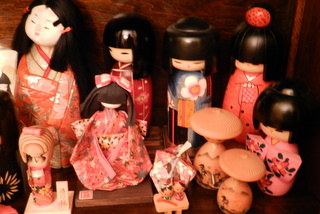
Japan Pauses to Remember

(some of my little connections to Japan)
Posted in bad memories | 3 Comments

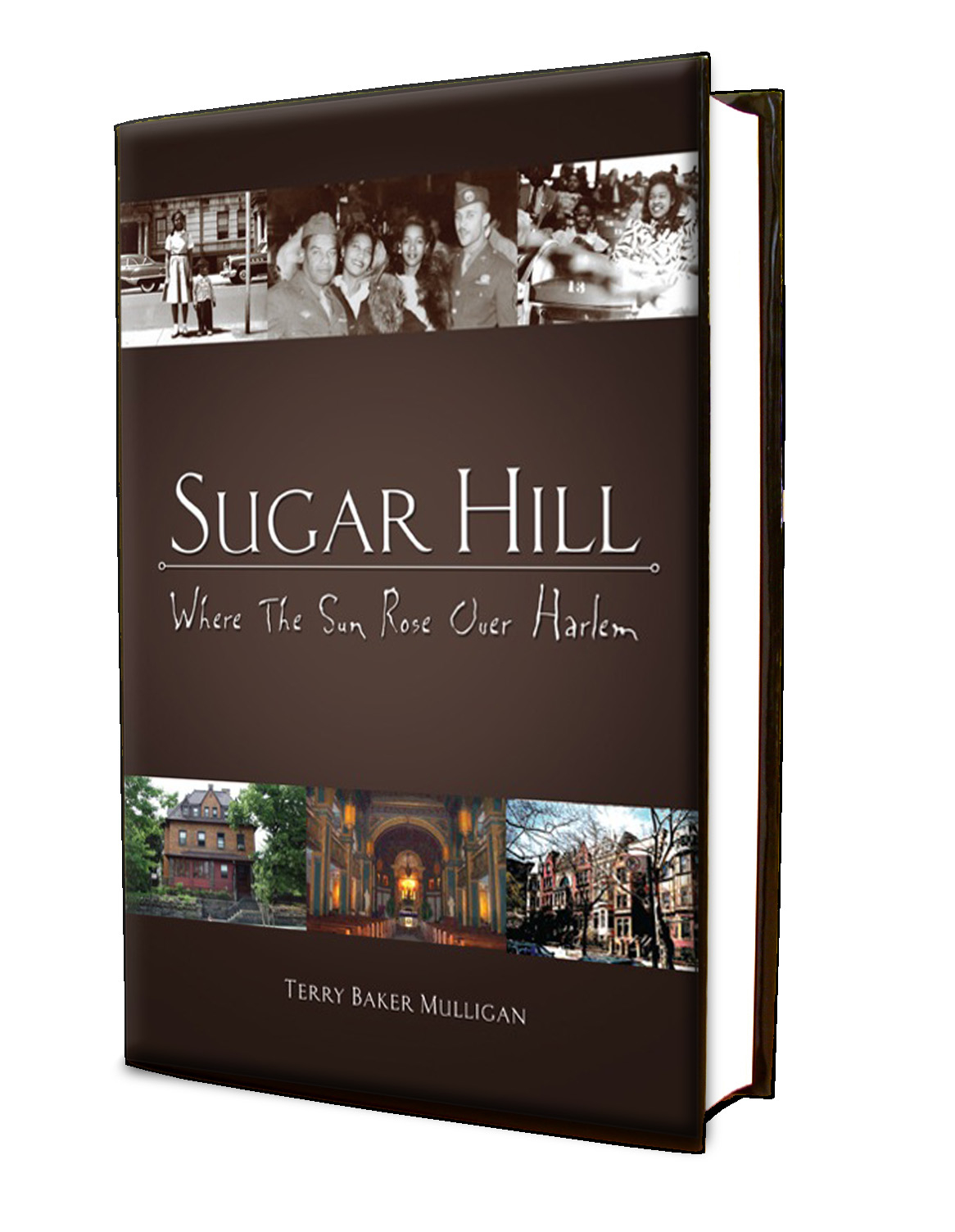
A historical memoir of home: Sugar Hill, Where the Sun Rose Over Harlem

I‘ve just read a wonderful historical memoir of growing up in 1950s Harlem by Terry Baker Mulligan, known as Jean when she was little. I knew almost nothing about Harlem except it was a dangerous place. And that is why Terry decided to write her book:  most people she met got that big-eyed look when they found out where she was from. She began writing soon after she moved to St. Louis and said it took her 37 years to complete due to life happening.

Sugar Hill: Where the Sun Rose Over Harlem impressed me with all the history Terry put into it. While she did grow up there, she still had to do a lot of research, digging at one point all the way back to when New Haarlem was a Dutch colony. She included old black and white photos of famous buildings along with views important to her memories, which help readers visualize her hometown in that era. She even included an old map, which came in handy as I tried to find my way around the streets mentioned.

While Terry has a matter-of-fact writing style in line with explaining a lot of history, her characters are colorful and memorable: “Besides her weird, high-stepping dromedary walk, Aunt Annette had about as much tact as a camel.” A lot of famous people figured into Harlem life then (Sugar Ray and his pink Cadillac, Thurgood Marshall), and Terry’s relatives were more than life-sized. She had a weekend dad who used to dance with Cab Calloway and who liked to buy his daughter fine dresses. Terry lived with her hard-working, beautiful mother and a cussing Gram, who was “born ornery,” in a melting pot of race and class. She even went to Catholic school when the family was not particularly religious at all. She writes of healing evangelists, gambling “dream books,” American and West Indians, and jive patter, and tells it like it was without mincing words or resorting to political correctness. She writes with love for how things were, even though it’s not always a pretty picture, and sadness at how things have changed.

I asked Terry if any of her relatives got upset reading about themselves because she left all the color in their characters and remarks. She said most from the book were dead now, including her parents, and her younger brother and her friends have loved the book. She did change some names and “blurred identities” to maintain a degree of privacy for some.

Terry had sat with her mother, elder relatives and friends to get many of the stories and had that problem common to many memoir writers: “Anyone my age can tell you how good this older generation was at holding onto secrets and putting the past behind them.” But Terry did a great job ferreting out those stories and mixing them with history, and I recommend anyone wanting to do the same with their memoir read Sugar Hill as an example. And the rest of us can read it for pure enjoyment and learning.

Posted in book reviews, history, multicultural | Tagged | 4 Comments

Life on the Farm Memories

I have discovered a new blog to follow! Earl B. Russell writes about growing up poor on a Tennessee farm. He’s posted on such memories as his mother doing laundry with a washboard, smoking fresh sausages and salting hams after the hog-killing, living without electricity, and racing around with the boys in a ’59 Dodge Pickup. Among other stories of his life. One of his links led to the RootsWeb.com page (part of Ancestry.com) for  Mary Carol’s Weakley County Tennessee Genealogy and History site where I found fabulous stories of life in days gone by. Mary Carol’s site and some of Earl’s posts are all about my husband’s side of the family, all from the East Tennessee countryside. I’m thinking about how I need to write down all those stories, and soon.

Farm life is just not the same anymore. Small family farms are disappearing fast, replaced by big factory farms, so if you’re from a farm family you’ve definitely got history worth writing. My husband remembers pulling eggs from under crabby setting hens lined up on shelves of hay in a long chicken shed. His mother and her siblings picked cotton by hand, hoed out weeds, and shelled peas when they were yet little kids. Actually she still shells peas (beans). I remember eating Granny’s supper of backbone and beans – and liking it – when I first joined the family. And then there’s the big breakfasts of fried tenderloin, milk gravy and the red-eye gravy made with fat and coffee, homemade biscuits, and scrambled eggs. Oh, heaven.

I do have a videotape of Granny and her daughter (my mother-in-law) sitting at an old wood table, reminiscing. During our Christmas visit to Tennessee I wrote down some of my mother-in-law’s famous recipes and her comments about them. I’m supposed to be reflecting on how to write her stories of early life in the Tennessee countryside mixed with her classic Southern recipes. Thank, you Earl, for setting some kindling under me.

Posted in Uncategorized | 7 Comments