WWII Diary of Hideki Tojo

Excerpts of notes written by General Hideki Tojo, Prime Minister of Japan for several years during WWII, were released by the National Archives of Japan and published in newspapers Tuesday. The private musings of the General – memos on postcard sized papers rather than diary entries as some newspapers are saying – written just after atomic bombs decimated hundreds of thousands, reveal his dismay that Japanese government and the public were frightened and losing their backbone (my words). He felt that the military was frustrated by this “lack of nerve” in the face of strange new bombs and pending Soviet invasion. No longer Prime Minister at the time, he stated he would refrain from speaking out against the decision of the Emperor to surrender despite his opposing view. Thank goodness, although there were other military leaders happy to take his place in disagreeing.

My mother, though a teen during WWII, remembers Tojo as the monster responsible for the destruction of Japan. A military leader taking charge of government leaders, Tojo was a warmongerer happy to let the people of Japan be annihilated because of his imperialist pride. I am not surprised that the General wrote such notes even after the atomic bombs, but it is interesting to find such uncompromising hard evidence of his convictions.

Why did Tojo write these private notes to himself? He planned to commit suicide rather than face a foreign-run tribunal, although he failed and was hanged instead. Knowing he was undoubtedly doomed, why would he provide such damning evidence? Obviously, this was a man hardened in his attitude. Did he think Japan could still win? He was ready to die for his convictions and his pride, thinking his countrymen shameful not to—Japan … all or nothing.

Writing one’s thoughts can help make sense of situations, clarify one’s convictions, and leave explanations for those who survive us. In Tojo’s case, he leaves us shaking our heads and perhaps pondering anew if the atomic bombs might have been necessary after all.

Posted in war stories | 2 Comments

Memoir – Fact or Fiction

David Carr, journalist author of The Night of the Smoking Gun, his memoir of his earlier drug-addled life, went to great pains to ensure his story was as accurate as possible by interviewing people in his past and reviewing his arrest records and rehab reports. With that kind of early life, I’m sure a lot of forgetting and distortion went on. It is refreshing to hear someone actually attempt to make sure his story is as correct as possible.

With the James Frey incident still rankling, the author of Misha: A Memoir of the Holocaust Years admitting her memoir a fake, and Ishmael Beah’s A Long Way Gone under fire, memoir writers are under suspicion these days. Older examples include Go Ask Alice, now placed in the fiction category, and A Child Called It was called into question in 2002 by the author’s brother and grandmother who claimed it as blatant distortion. If you are famous, if your story is sensational or controversial, you better darn well make sure your memoir is as factual as possible. But isn’t the definition of memoir the truth as we know it? That leaves a lot of wiggle room.

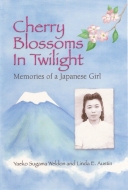
While I was writing Cherry Blossoms in Twilight, my mother’s story of her early life in Japan around WWII, I went to a lot of trouble researching WWII in the Pacific theatre. If I could not verify something, for example, that a certain type of U.S. warplane my mother talked about flew bombing raids over Japan during the earlier part of war, then I did not mention the plane by type. This may seem nitpicky, but I know there are a lot of WWII vets and aviation history buffs who would point out an error. I also had a Japanese gentleman near the age of my mother verify the details of Japanese culture of the time. If someone finds an error in the facts of a memoir, then the whole memoir becomes suspect. The same, actually, with any piece of writing.

Should we be afraid of writing our stories? I say no, BUT as a responsible storywriter you should definitely verify any historical or cultural facts and you may want to consult with your family about events you are not sure of. If you are still unsure, the magic words are “I believe,” “As I recall,” or “I think.” Other than that, your story is your take on an experience. You do not need to apologize for having a different perspective, forgetting exact details or muddying the waters. It is YOUR story of how it seemed to you, how you felt about it. If anyone disagrees, tell them that is how you remembered it. And that’s that.

Posted in memoir writing | Comments Off on Memoir – Fact or Fiction

Importance of Life Writing – Alexander Solzhenitsyn

Alexander Solzhenitsyn died last Sunday night. I can’t think of anyone else whose memoirs and true-life-based writings helped change an empire. Solzhenitsyn’s novels were built on his experiences caught in the Soviet “meat grinder” of arrests for simple or made-up crimes resulting in years in the horrific slave labor camps under Stalin. The Oak and the Calf, his literary memoir, was the story of himself as a persecuted writer against the Soviet totalitarianism – futile as a calf butting against an oak tree and yet the tree fell. His Gulag Archipelago trilogy, a lengthy narrative of personal experiences, eyewitness testimony and research, was the final blow that destroyed any sympathy left for the Russian regime. His life is a complicated story of one man’s strong integrity that allowed him to remain his own man by standing up to both the USSR and to Western culture. Son Stephan, when asked if he had learned anything from his father, stated, “Yes, that truth isn’t always popular.”

Granted, most of us will never have the opportunity to change the world through our lifewriting, but we may in our own small way change someone’s world by sharing, teaching, and inspiring.

Posted in lifewriting | Comments Off on Importance of Life Writing – Alexander Solzhenitsyn