Remembering the Everyday Stuff

I gave an author presentation last month to a very receptive audience. By the end of my talk, many people were inspired to go home and either write their own memoirs, ask their parents about their lives, or to share their own stories with their young children. I call that a successful event!

One important point I made about recording memories, is that few memories can be considered insignificant. People think their lives are so ordinary, but years later – a generation or two later – the ordinary becomes historic. My own kids find common ground in some of my childhood stories, but are amazed at other details… like, “Gosh, Mom, what did you do without Nintendo?” or, “How could you live without Nickelodeon?” Imagine how interesting simple stories of grandparents’ lives are to children of the “modern world.” My mother-in-law remembers going to school by horse and cart!

July 4th is coming up – another opportunity for family get-togethers and story-telling. Don’t be afraid to ramble on about everyday life – house, town, school, chores, food, play. Did you get in trouble, what was your favorite game? Remember to use sensory details of sight, sound, feel, and feelings. Reflect upon how you felt, what things meant to you, what you found important and valuable in your life, lessons learned. Allow others to know who you were and how you lived. You really are interesting.
Posted in storytelling | Comments Off on Remembering the Everyday Stuff

Father’s Day

This morning our pastor Sue mentioned three famous fathers: Father Abraham, Atticus Finch, and Bill Cosby. All had/have the faith and the guts to stand up for what they believed in. In that great book, To Kill a Mockingbird, Atticus Finch says, “Before I can live with other folks, I’ve got to be able to live with myself. The one thing that doesn’t abide by majority rule is a person’s conscience.”

Many of our fathers taught us through words or action about how to be a strong person with a good moral foundation. My own father helped teach his daughters about good work ethics. We both tend to be perfectionists who are able to look beyond what we know to do and find other things that need to be done. “Trouble-shooting” is something I am quite good at. Daddy is also known for his gentleness and patience, yet he always let his little girls know limits. He held us to a high standard of behavior, leading with firmness if necessary… but usually all it took was “the voice” and we were skedaddling to do what we were told.

When I was a teen, I was stunned to learn that my own father was not a perfect human being. Fathers, like mothers, can only do the best they are able. Unfortunately, for various reasons some are not able to do much and the children suffer. They are human beings with human weaknesses. Sometimes we have to try to be understanding and forgiving. Fortunately, my father was always great dad to his girls. We love him so much.

Hopefully your father has given you good memories. This day I hope you have a reason to honor your father, or a father-figure in your life. One year I wrote a letter to my dad telling him all that I loved and appreciated about him. My sister wrote him a beautiful poem. He knows he is loved – now he has it in writing! I hope you let your own father know how loved he is.

Posted in relationship | Tagged | Comments Off on Father’s Day

Writing a Book

Writing a book is the most difficult way of recording memories; it does require writing skills, and is the most time-consuming and most expensive method of producing your family treasure. If you are writing it strictly for your own family, you can get away with having less literary skills and less book-production knowledge, but I still recommend learning as much as you can about writing a book – from how to organize it, how to interview, the types of meaningful information to gather, how to put it all into an enjoyable and easy-to-read story with a specific audience in mind. And find someone with good spelling and grammar skills to look it over and make corrections.

I used Microsoft Word set for pages sized 9 by 6 inches, which is a cost-efficient size for book printing. Use a typical font such as Times New Roman or Arial, although I used Palatino Linotype because it looks “friendly” and is very easy on the eyes. Hopefully you know how to set a paragraph – I have seen self-made books with extremely long paragraphs which not only look bad on a page but make for a difficult and annoying read. If you have publishing software, your job of writing and adding photos will be easier, and the print shops do generally prefer pdf files. My MS Word file transferred over well, though.

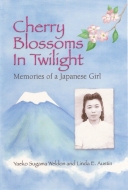
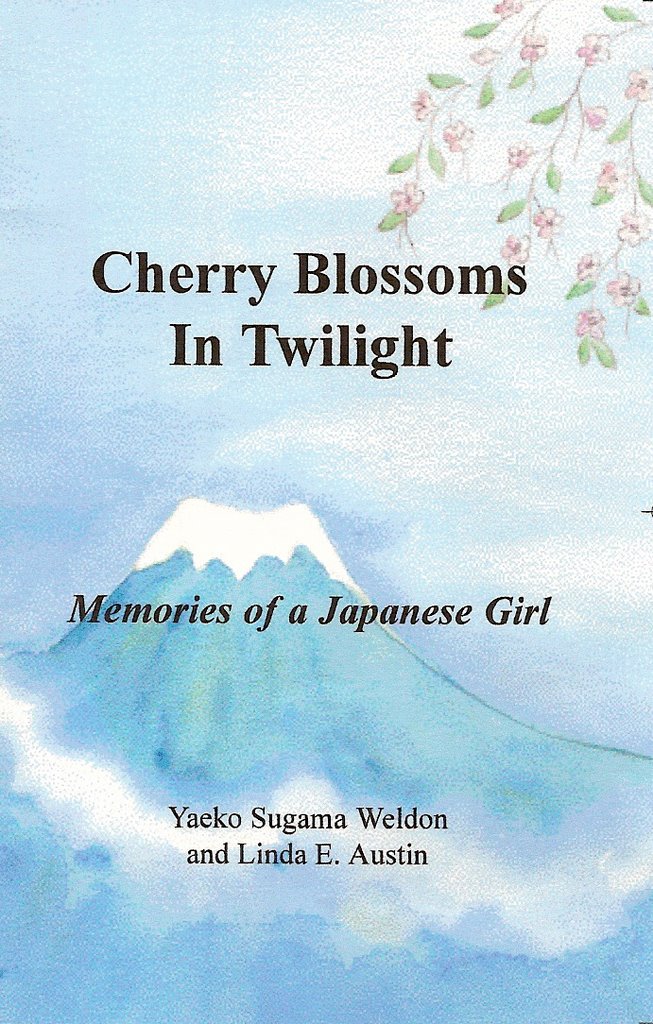
Writing a book also requires a lot of material. Cherry Blossom in Twilight at 100 pages is a very slim book, which makes it more difficult for the machines to cut the binding nicely. If you have fewer pages than that, I suggest making a booklet. It may well take you several years of writing to produce a book, so be sure that you really want to invest that kind of time and intensity of effort, and that you will have enough stories, photos, and extra details.

As with writing a booklet, ask good questions, get added details, and a sense of how your family member felt about events and experiences because those sensory and emotional details will really make your book into a fascinating read versus a cold just-the-facts production. It is a good idea to assume your readers know nothing about this person and their life, so add those details and explanations… someday great-great-great grandchildren will be your readers!

(see previous entries for tips on scrapbooking, videotaping, creating booklets)

Posted in memory books, writing skills | Comments Off on Writing a Book