Writing a Book

Writing a book is the most difficult way of recording memories; it does require writing skills, and is the most time-consuming and most expensive method of producing your family treasure. If you are writing it strictly for your own family, you can get away with having less literary skills and less book-production knowledge, but I still recommend learning as much as you can about writing a book – from how to organize it, how to interview, the types of meaningful information to gather, how to put it all into an enjoyable and easy-to-read story with a specific audience in mind. And find someone with good spelling and grammar skills to look it over and make corrections.
I used Microsoft Word set for pages sized 9 by 6 inches, which is a cost-efficient size for book printing. Use a typical font such as Times New Roman or Arial, although I used Palatino Linotype because it looks “friendly” and is very easy on the eyes. Hopefully you know how to set a paragraph – I have seen self-made books with extremely long paragraphs which not only look bad on a page but make for a difficult and annoying read. If you have publishing software, your job of writing and adding photos will be easier, and the print shops do generally prefer pdf files. My MS Word file transferred over well, though.

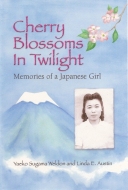
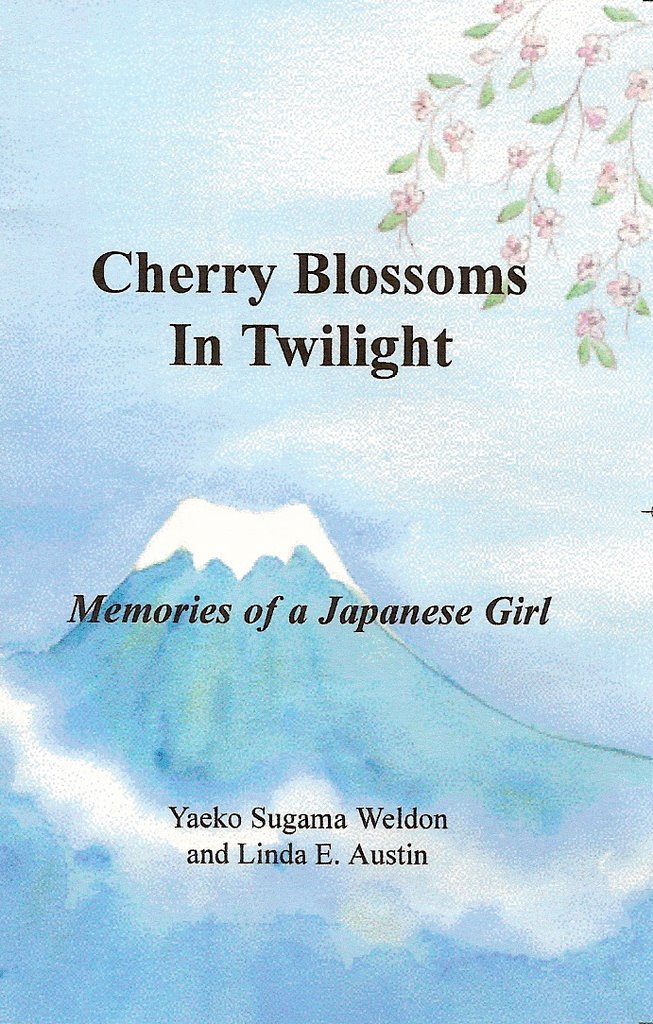
Writing a book also requires a lot of material. Cherry Blossom in Twilight at 100 pages is a very slim book, which makes it more difficult for the machines to cut the binding nicely. If you have fewer pages than that, I suggest making a booklet. It may well take you several years of writing to produce a book, so be sure that you really want to invest that kind of time and intensity of effort, and that you will have enough stories, photos, and extra details.

As with writing a booklet, ask good questions, get added details, and a sense of how your family member felt about events and experiences because those sensory and emotional details will really make your book into a fascinating read versus a cold just-the-facts production. It is a good idea to assume your readers know nothing about this person and their life, so add those details and explanations… someday great-great-great grandchildren will be your readers!

(see previous entries for tips on scrapbooking, videotaping, creating booklets)

Posted in memory books, writing skills | Comments Off on Writing a Book

Allen Say Autobiographical Stories

During the last few weeks of school while helping out at my daughter’s elementary school library, I checked out some Allen Say books to read to my youngest child as well as my elderly mother. Mr. Say is the author/illustrator of lovely children’s stories such as “Grandfather’s Journey,” and he illustrated the fun “How My Parents Learned to Eat” by Ina Friedman. Quite a few of his books are autobiographical, telling the stories of his boyhood experiences or of his Asian-heritage parents. My Japanese-born mother is very charmed by his “Kamishibai Man” which draws out her own childhood memories, and with “Tea With Milk,” the story of how his parents met. She has fallen in love with his illustrations of Japanese life.

Mr. Say has received the Caldecott Medal for his illustrations. In his acceptance speech, he mentions that when he first began writing children’s stories he wanted to “build a bridge” between the Japanese and American cultures. Although he soon abandoned that ambition calling it a “pompous, self-serving delusion,” I feel that some of his books build a bridge quite well. One of the reasons I want to make educators aware of my mother’s autobiography, “Cherry Blossoms in Twilight” is because of its ability to build understanding between peoples. The more we learn about another culture and its people, the more we are able to realize that underneath the apparent differences, we all experience the same feelings of love, joy, fear, anxiety. We are all human beings bonded by our human sensitivities and experiences.

If you have an immigration story in your family, or a story of love between two people of different heritages, there are wonderful lessons there. Ask about those stories, learn about the cultures, hear about the difficulties of accepting differences. Above all, remember how you have loved the people in your life who are different – in spite of, or even because of, those differences.

Posted in multicultural | Comments Off on Allen Say Autobiographical Stories

Spring Flowers

My stepmother was looking through the book Moments: The Pulitzer Prize Winning Photographs by Hal Buell and David Halberstam. She noted that most of the photos were powerful and intense depictions of sadness and she began to compare her life to the lives of the people in those photos, thinking how easy she has it.

My stepmom is a saint who has been pretty much the sole caretaker of a number of elderly relatives. Currently she has one remaining dear one to look after – her very elderly mother who has been in the hospital lately. Although many nights my stepmom wearily bemoans her life sacrificed to others’ needs, by morning she seems refreshed and ready to love anew. I don’t know how she does it… year after year, often with several needy souls at the same time.
She says this life is her choice, and she knows how her choices make an important impact on the lives of others. “How often would any of you want to sit for hours on end in the hospital while spring blooms and gardens call and there is so much to do?” But, she says, “I guess it is time to go to bed with a prayer of thanks and blessing for my Mom. She is more precious than any spring time flowers.”

Posted in Uncategorized | Comments Off on Spring Flowers