Writing Your Personal History with COVID-19

These are strange and scary times – history-making times. This novel coronavirus may likely spawn novels as well as science papers, but most interesting will be the true stories of survival. That’s where you can help, besides by sequestering yourself and doing your part to not spread the contagion. Write for yourself, write for your children, write for future generations. Keep a journal, start a memoir, write a short story or essay or even a poem. Preserve boots-on-the-ground history in this war against the virus.

Here are a couple bits of information to start you off:

This coronavirus apparently began in late 2019 in the crowded outdoor food markets of Wuhan, China, actual origin unknown to date but thought to be a jump from wild animal to human.

The virus soon spread to other Asian countries, then to the US and Europe due to travelers coming out of China. CDC Confirms First Case of Coronavirus in the US on January 20, 2020, near Seattle, with a second in Chicago on January 23, both from travelers returning from Wuhan.

Below are a some writing prompts:

What did you think when you first heard about COVID-19? How did your thoughts and feelings about the virus change as time went on and world fears grew?

Did/do you follow news closely, and if so, did/do you feel adverse emotional effects from it? Which media do you get your information from?

What do think about the responses from national leaders? From your town/city/state?

Is your family careful about “social distancing” and cleanliness when going outside or to the store? How are you getting groceries, medicines, supplies? If necessary, have you been able to see your doctor(s)?

Do you think everyone is overreacting? If so, why do you think that? If so, do you still follow social distancing and cleanliness practices, and if not, are you respectful of others who are?

If you or your spouse/partner have lost your job(s), are you laid off or are you furloughed? If you own or manage a business, what has happened there? What are your thoughts, fears, hopes about your job/business/employees and finances?

If you live in a very rural area with no hospital near, how are you and your neighbors reacting? Do you feel safe there? Do you have any special concerns?

If you have children, how are you all adapting to online classes? What do your kids think about having to stay home from school? If you are working from home with kids around, how is that going?

If your area is having “shelter at home,” how is your family coping? Is anyone bored or lonely, or perhaps enjoying it? How are you passing the time?

How have your elderly family members been affected? Are you having troubles with them not taking precautions seriously?

If you or a family member or friend are a “front line” worker (healthcare, public safety, grocery or delivery, etc.) how are you/they coping? What are your/their personal stories?

If you or a family member or friend have been sick with the virus, tell this story.

Are you doing anything special to help others? Checking on elder friends and neighbors?

* * * * *
I hope everyone is behaving and staying safe! We are experiencing some astonishing history — be sure to come out of it alive and well. And be kind and thoughtful, because that makes a big difference especially during times of hardship. I’m doing fine and keeping busy, but sure appreciate the homemade cookies my neighbor left on my doorstep!

My fellow life writing enthusiast, ghostwriter Kim Pearson, has her own set of writing prompts on her website page for Events & Classes.

Gingerbread

Mask

Posted in capturing memories, history, journal, lifewriting, overcoming, raising kids, writing prompt | Tagged | 2 Comments

Even memoir writers need to do research

Maybe you’ve heard about the controversy with the newly published novel American Dirt, where a “white person” has written about what’s left of a Mexican family escaping violence by illegally crossing into the US. Apparently it’s a romantic drama thriller or something like that, which Oprah has endorsed for her famous book club, thus launching it to fame and misfortune. I’m appalled at the level of vitriol against the author, who seems to be well-intentioned but… let’s get to that in a bit.

Seems the publisher saw a book pertinent to the times, attractive fiction for non-Latinx masses to gobble up, and they ran for the dollar signs ahead. Oprah doesn’t know life in Mexico so she wouldn’t catch any inconsistencies, she just saw a gripping story. A couple famous Latina writers thought that at least it would get into the hands of people who need to learn a different perspective, even though it wasn’t perfect. Many others launched into ugly diatribes.

Looks like nobody vetted the book for accuracies in culture or Spanish language. Big mistake. The author wrote “out of her lane” with not enough knowledge and got a huge advance—something no Hispanic/Latinx person would ever get. Therein lies the other half of the controversy. Somebody getting big rewards for writing somebody else’s story, where those somebody elses would never get that kind of acceptance or fine treatment despite their authentic stories. That part is not the author’s fault, that’s a problem with the traditional publishing industry. And maybe it’s a problem with readers, too. Would we buy into bestseller status a novel by someone not of our color or culture?

Anyway, this gets to lessons for life writers (any writers): do your research! Even though it’s your experience and your memories, make any historical and cultural details accurate or somebody will notice. If you are writing about other people’s experiences (a parent, grandparent), you probably need to research around them. Even if your book is just for family, you owe it to them to be as accurate as possible about common details that can be verified, especially historical dates.

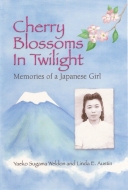
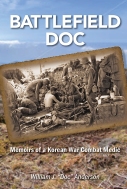
For my mother’s memoir, Cherry Blossoms in Twilight, I did a LOT of research and had a Japanese man vet the book’s details. He was near the same age as my mother and had also lived through WWII in Japan as a teen. He caught a few errors I would have been embarrassed about. When I wrote Battlefield Doc, I did a LOT of research about the Korean War, learning about different weapons, the weather, medical care so I could help explain things better and ensure what Doc remembered was correct. (Military people and military history fans are sharp-eyed and quick to point out discrepancies.) When I edited a multi-lingual man’s multi-country memoir, I did a LOT of research on those countries and how to spell foreign words.

Details of history and culture give life stories a setting in time and place, giving readers a bigger picture and richer experience. Readers expect these details to be accurate. If you’re not sure of something and could not find an answer and it’s important to include, you can simply say “I think” or “As I remember.”

(By the way, do not post a review for a book you’ve never read)

Google

Posted in lifewriting, memoir writing, writing | Tagged | 3 Comments

New Year resolutions to ask for stories, write the stories

It’s a new year and in the next several weeks I will be speaking to a couple seniors groups to persuade them to adopt new year resolutions to begin writing the stories of their lives – mostly because it’s fun to do! Hopefully they will have lots of happy memories to write about while also sharing the history and culture of earlier times, wherever they lived.

The oldest among us have wonderful stories of an era of incredible changes. My mother-in-law has stories of their first electricity and their first indoor plumbing and of picking cotton in the fields as a small child. My father has stories of when O’Hare Airport in Chicago was a big cornfield and when gangsters took over their barn to put a still in it. My very elderly neighbors had stories of the Depression years and early history of our area. My Korean War vet friend has incredible stories of that war but also fun stories of famous ice skaters and tennis players and local celebrities he hobnobbed with. One of my mother’s friends in the nursing home became mother at the age of sixteen to her three little brothers when their parents died.

My project for the year is turning my dad’s slide collection into high resolution .jpg photo files using the Wolverine Titan film to digital converter (which I highly recommend). Then I need to go through a stack of letters he wrote home to his parents when he was stationed in Japan during the late 1950s. Fabulous photos of old Japan and I’ll get to learn more about my dad as a young man in a very foreign place.

People you know have fascinating stories – you might be surprised. Maybe you’ll make an easy new year resolution of getting to know your older family members better!


Posted in heritage, history, lifewriting, storytelling | Tagged , , , , | Leave a comment