
What’s your philosophy of life? The ruckus from the recent Chick-fil-a debate sure put life and religious philosophy in the limelight, and it wasn’t a pretty sight. There were many instances of emotions taking over reasoning, with not a lot of tolerance shown for dissenting opinions. In this age of polarization, at least here in the U.S., especially with presidential elections coming up, the atmosphere is nasty and even a little frightening to some.
Some people may think lifewriting is only for famous people or those who have led important or exciting lives, but it is not. It is to leave who you are and what you learned to future generations. It is not just remembering what happened in the past and writing it down, it is writing down who you are and what the past meant to you. You could just stick with facts and historic events, but your family will want to remember more than that—they want to remember you.
Who are you? What are the events that shaped your life? How did they affect you? These events are not just facts but opportunities for philosophical reasoning. Life philosophy, religious philosophy, even political philosophy. If you are religious, why are you and have you ever questioned it? How have your beliefs changed over time? Where did you get your life philosophy from and can you give examples of how you live it? How have our wars or the illegal immigrant situation affected your philosophies. If you dare get into political philosophy, you may need to edit with a butcher knife to avoid creating a gigantic tome.
Unless your writings are intended to be major essays about your belief systems, it is probably best to stick with inserting bits and pieces of your thoughts and philosophies as pertinent throughout the writing of your stories, although including an essay or two among a series of vignettes (mini stories) is fine. Lifewritings I recently edited included what I’d almost call letters to children about what shaped their mother and life advice she wanted to pass on from her experiences.
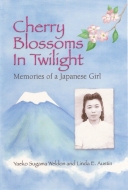
In my own mother’s Japanese memoir, Cherry Blossoms in Twilight, some readers commented on wanting to know more about what my mother thought and felt, especially since the memories are about poverty and war. Unfortunately, when you’re in your seventies and long and far removed from those old days, you don’t always remember way back when. Also, the Japanese are known for their stoicism, their gaman, which means to accept it and do your best. But the philosophies that did get into the book are perhaps all the more powerful because they are rare. “Don’t hate the enemy, they are only doing their job.”
Peace, love and understanding

“Together”



 moonbridgebooks