Why we like memoirs

Writer Arielle Ford says in a May 16 HuffPo article that she loves memoirs. They are a very popular genre these days. Here’s her list of why we love memoirs:

• They read like fiction which holds our creative attention

• It focuses on a brief period of time or a series of events rather than a lifetime

• We see the irony and meaning of the events as they unfold

• The narrator does well to walk us through conflicts and flashbacks

• We learn the impact of an interesting turn of events

• We engage on a higher emotional level than if the story was being told about the author

• We know the author survives the crisis and we want to learn how

• Often includes the viewpoints of family members and friends to create a multi-dimensional account of the events

Of course, these are attributes of interesting memoirs, so if you want a shot at a successful memoir that more than your family will want to read, make sure you include one of the above—and the second doesn’t count because that’s just a definition. One of Twitter’s #litchat discussions was on memoir, and all agreed that being able to tell a good story from an interesting perspective generally trumps having an exciting event or a big drama to write about. It’s how you say it and what readers get out of it.

Posted in memoir writing | 1 Comment

Father’s Day: Older dads vs new dads

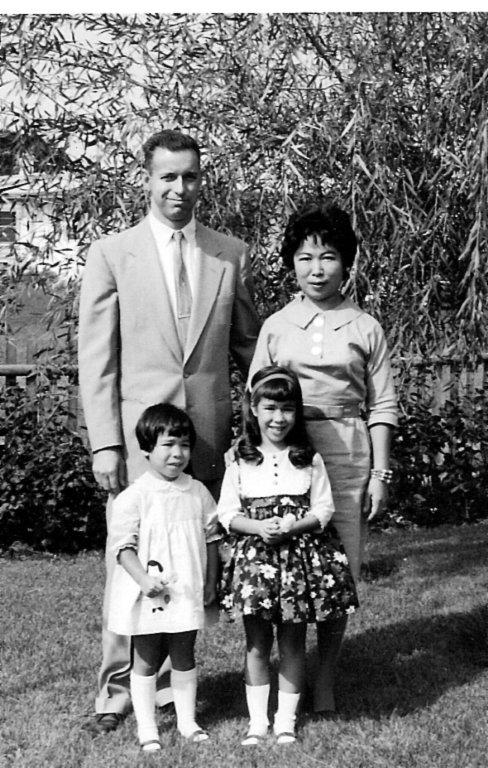
Father’s Day is coming up and most of us are lucky to have good thoughts and memories of our dads. An article on the Yahoo home page, “What I Learned From My Dad,” caught my eye. The recent generation of fathers tends to be a loving, hands-on bunch expected by their wives to help out with the kids and the housework. Not sure about the housework, but most seem to enjoy helping take care of the kids. Our older generation dads were expected to be the breadwinner, and the kids were the stay-home mom’s job. That’s just the way it was – until moms started going out to work and having careers. Our dads did love us – they showed it by how hard they worked and by providing for their families. Many showed love to their kids by making them work hard, by demanding upright behavior, and by using strict discipline, and sadly there were times when the belt was involved because that’s how their fathers had disciplined. My dad never had to spank his daughters because he had “the voice” that would send us scurrying to do as we were told. He did dry dishes, and since my mom couldn’t read English well he was the one who read us bedtime stories. Apparently over and over, as my favorite was My Dolly and Me, again and again and again. When we got older, he helped with homework and took us to the public library every couple weeks. What are your childhood memories of your dad?

Today on Twitter, the topic #ilovemydadeventhough is trending. Here are some posts:

#ilovemydadeventhough…

@NicNic_Love he ruined my dinner last night by not bringin any bbq & then tellin me my chinese food was fried cat.

@hOTPINK_ClouD he is always ALL up in my business. but he does it cause he loves me..

@MsVCU09 he makes me work hard to get anything.. no freebies over here!!

@Kookla38 he would embarrass me our HS parties by singing and dancing to Al Green all the time! lol. He still does this often.

@RMeagherAtroefy the way he woke me up in the mornings still traumatizes me.

@Kate_Caldwell Wait wait, can we change this to #ilovemystepdad? RT If your stepdad is the best dad out there!

@ICOnic_adi im never gonna be good enough for him..:(

@ItsmeBMACK he has to love me from the sky…R.I.P. Daddy…happy father’s day

@Axxx I never meet and know him. Happy fathers day. Would love to meet u someday. Please come back

@Jxxxx hes never been there for me. i love the person he has potential to be

Posted in holiday | Tagged | 2 Comments

The Good Soldiers – lifewriting intense and personal

David Finkel, author of The Good Soldiers, was in town to discuss his award-winning book documenting the lives of a battalion of ground troops who were part of “the surge” in 2007 sent to try to stabilize sectarian fighting in Iraq. While researching this book for a local Examiner.com article about the author event, I came across a fascinating interview with David Finkel by the Nieman Foundation for Journalism at Harvard which asks questions important to lifewriters and ghostwriters about getting permissions and what to include or not in stories that are intensely personal to its characters, here involving death and dismemberment, raw fear and emotion, humor at seemingly inappropriate times. In a war story it is important not to degenerate into “war porn,” as with any story of abuse or trauma, and although the truth is important to tell it must be done with respect and some discretion.

Finkel also discusses some of the difficulties in objectively writing this documentation of others’ experiences, especially as he was right there witnessing much of it. I asked him about this last night. Of course, he is a journalist used to writing as objectively as possible, but he explained that while so many of the experiences were intensely emotional and brought tears, he did not begin writing the book until he finished his documentation, so he had a “cooling off” (my words) period of reflection. He said he did not even know what the story would be until after the experience was over and he could think about the overall picture. He also said that while the emotions were so intense, that is not the same thing as being subjective. He had his own emotions, but aimed to give a fair representation of the general emotional responses or give one soldier’s response to a given occurrence.

Kudos to Mr. Finkel for strictly trying to capture the lives of one group of men on the ground rather than incorporate his agenda and commentary on war strategy. He deflected an audience question or two relating to his own perspective of the war. He explained the George W. Bush quotes beginning each chapter as not meant to insinuate for or against Bush, rather the quotes pertain to what goes on in each chapter. He noted, “Any war is many wars,” meaning there are many perspectives, including that of the government and politicos and that of the troops in the middle of the fray.

Finkel is a tall man with a quiet voice that often betrayed a slight catch when he gave forthright statements of suffering of some of the men. It is easy to believe he had no agenda and still doesn’t. He won’t say what he thinks about the war, saying what matters to him is what the soldiers think – they know more than he. Of course, each soldier has his own opinion.

Noted in the Nieman interview are the reactions to the book from war veterans of Iraq and Afghanistan conflicts. Many are damaged in mind as well as body so that they cannot speak of their experiences. They write to Finkel to thank him, saying they recommend his book to anyone who asks them what it was like there. I’m not sure if all these veterans managed to read Finkel’s book or not, but The Good Soldiers probably should be read by all of us safe at home in our recliners.

Finkel’s next book will cover the return-home journeys of some of his new friends, and perhaps other veterans from the Middle East conflicts.

Linda Austin
“Cherry Blossoms in Twilight”
http://www.moonbridgebooks.com

Posted in bad memories, book talk, war stories | 1 Comment