Bad Memories – Part II

Some people have nightmares that are permanently locked away in a closet in their mind. You have to respect the fact that they are unable to open the door – just leave those times alone. That is the way they survive terrible horrors of their past. They might, however, be willing to recall normal times, or the good times before or after the bad memories. You can ask what their parents or grandparents or siblings were like, where they lived, type of clothes they wore or food they ate, songs they remember.

It is possible for monsters to be killed or at least shrunk to a manageable size by opening the door to shine a light on them. A burden can also be lifted by sharing it with others who can offer support and help find healthy ways to cope. Anger may be dissipated, fear may be overcome, shame may be overwhelmed by love and understanding.

Many of us have hurtful memories in our past. We carry those memories within and they are part of who we have become. If we aim at keeping a strong positive attitude, we can look those memories in the face and go beyond them. I like to remind my mother not to dwell on the “spilled milk” of yesterday and instead look at each day anew. In the end, all our memories and the feelings they bring out have shaped us and in turn can shape our children. By speaking the memories out loud, we let our families understand us and each other better and encourage deeper bonding as we share our lives and our hearts.

How I wish I had known about some of my mother’s bad experiences earlier – so I would have been able to understand her better and been more compassionate.


Posted in bad memories | Comments Off on Bad Memories – Part II

Bad Memories – Part I

One day I was talking with someone who dearly wished to know her grandmother’s stories but said that her Chinese grandmother had unspeakable memories of her youth during WWII. The grandmother therefore refused to talk about any of her childhood memories at all. This is a sensitive issue worth its own discussion topic.

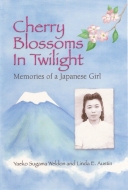
After thinking about this young woman’s dilemma for awhile, I decided to incorporate my answer into presentations I give about writing memoirs. My own mother’s youth was not without emotional pain, and the story of the end of her marriage is something I prefer not to remind her of as all the anger comes burning to the surface – yet these hurts are written about in our Cherry Blossoms in Twilight book. How did I get these stories?

My mother is quite open about her pain. She does not choose to hide the unpleasant parts of her life. Still, I had to be careful when asking about certain subjects because it is so easy for her to begin to dwell on the anger or sadness. I would ask a few questions or discuss one aspect of a story and then move on to something light-hearted or happy. I would never ask about something painful late in the day because the mind likes to rehash events during the night. Sometimes I wrote sections by myself because I already knew certain unhappy parts of her life – I was there. So, treading very carefully and considerately into someone’s river of pain is one way of drawing out important stories… feeling the current of the person’s thoughts and never going so deep that they begin to drown. It is all about what THEY are ready to say.

Posted in bad memories, memoir writing | Comments Off on Bad Memories – Part I

The Mystery of Ourselves

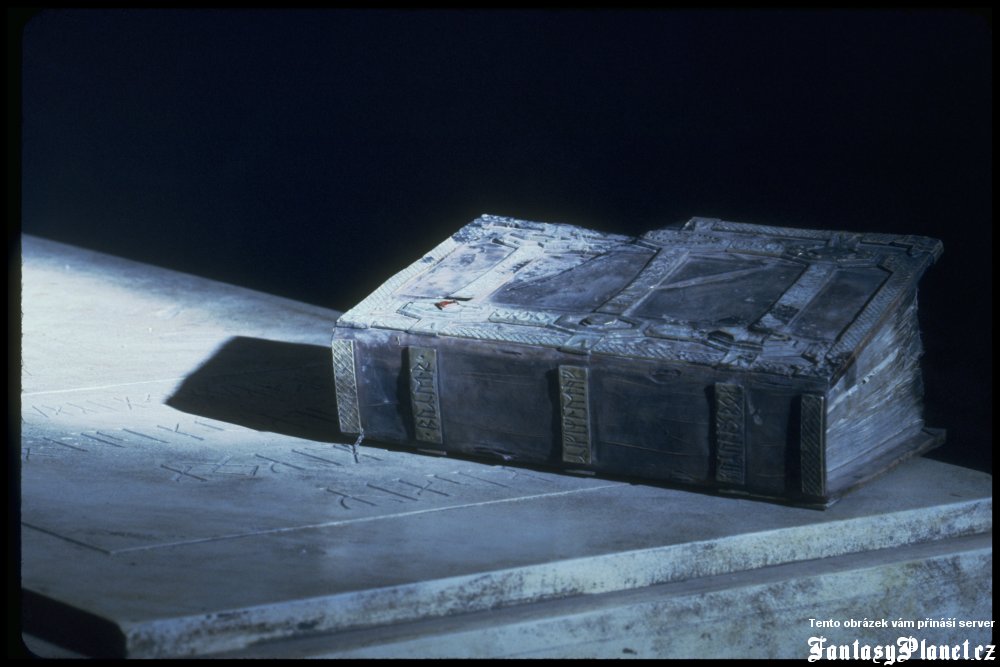
Someone in my family recently emailed: “There are many books on the shelves, some are well-read with well-known authors; but others are closed and locked, no one to read them, each book a mystery. Who is the author? Is there a key that will unlock the soul and let the life story spill out from the confines of the cover? Patiently, the illustrations wait to come to life when (if) the story is told, until the final chapter … and when finally the story ends, it can be whispered to others … and the author lives on, no longer a mystery, no longer an author unknown.”

Each of us is a book with chapters and stories that beg to be told. People don’t always think to ask what is in the book, but chances are good they will be delighted to listen if you open the covers and begin to read. Other cultures, in other times, told stories by the fire. That was how lives were remembered and history learned.

Sometimes we are afraid to open the book and spill the contents. What if the stories are embarrassing, or we have made mistakes or have failed? These are the stories that may be the most valuable, allowing others to learn from our own experiences or to have hope that they may rise above their own mistakes. These stories show us as the imperfect beings we all are and can help others relate to us better. These are the stories that can draw others closer and open the lines of communication.

Think about opening the pages of your own book, sharing yourself with those you love.

Posted in sharing, storytelling | Comments Off on The Mystery of Ourselves