Tom Graves – Honoring War Veterans

Photographer Tom Graves of San Francisco has produced a collection of photos and interviews of war veterans from WWII and the Korean War. “Heroes All!” is currently being exhibited at the May Gallery at Webster University in the St. Louis suburb of Webster Groves until March 24. Mr. Graves hopes his exhibit will encourage people to talk to older folks and learn their amazing stories. He notes, “unfortunately, most of these stories, and most of this knowledge is going to disappear before it’s ever passed on to someone…”

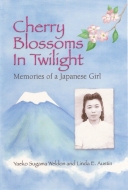
After the wonderful learning experience I had writing and publishing my mother’s story, “Cherry Blossoms in Twilight: Memories of a Japanese Girl,” I certainly can relate to Mr. Graves’ feelings about the need to capture the histories of our elder generation. The people of that particular generation have lived through such significant events in history … the Great Depression, Pearl Harbor, WWII, the Korean War, etc. and their personal experiences are in danger of being lost as these elders are in their last years of life. Their stories are not found in school history books. Their stories are unique and tell what really happened to ordinary people. Mr. Graves says that several veterans told him, “you read about it in the history books, but I was there and what I experienced was different from that…”

I had the honor of speaking with Mr. Graves and thanked him for his wonderful project. His photos of the veterans are beautifully done in black and white. I especially enjoyed reading about Japanese-American war vets, Tuskegee Airmen, and several women in service. I join Mr. Graves in the hope that others will take the time to ask their own older relatives about their lives.

Additional Link

Posted in war stories | Comments Off on Tom Graves – Honoring War Veterans

Writing Your Family History as a Booklet

If you are a decent writer, and even if you are not, you may choose to record family memories on paper. Computer word processing makes this job easy. Type up all the information you have on your family member, place the stories in some sort of order either by approximate date or by subject (like school stories), and try to verify historic facts and dates mentioned. Word processing programs will help correct spelling, grammar, and incomplete sentences, but try to either edit the work yourself or have someone else do it. Also, have a couple other people read the complete story to get an outsider’s viewpoint for suggestions on how to make it completely understandable and easy to read.

Now you can head to the copy shop to discuss your project. Full size 8 ½ x 11 inch paper is most economical. You will have choices in binding and type of cover. Ask the clerk about cost for adding photos if you are unable to scan and insert photos into the text yourself. Copying photos in black and white is fine, costs less than color, and goes well with the theme of old memories.

If using photos, and I suggest you do because visuals really add to the story, allow some blank pages and either have the copy shop add the photos for you or scan them in yourself. It is preferable to add a caption for each photo stating date, persons included, and any explanations. Type captions on the blank photo pages, experimenting for correct placement. You may use a photo for the cover also, experimenting for correct placement of the title and author information.

When you have your pages printed out and photos arranged where they should go, head to the copy shop with your project. Determine number of copies needed and go over the project with the clerk to ensure he/she understands exactly what you want. Do not hesitate to charge your relatives a reasonable cost to purchase a copy of your final product; after all, you have expended time, effort, and expense.

I have a spiral-bound genealogy/family story booklet that a relative on my husband’s side produced. Although it is not a perfected piece of literary work, it is a fascinating and delightful journey into the history of people we love. We are grateful for the efforts of this relative who so obviously put her heart (and a lot of time) into that project.

Posted in capturing memories | Comments Off on Writing Your Family History as a Booklet

Videotaping Family History Part II

The room where you interview should be well lit, the radio and TV off, the phone off the hook, little noisy kids out to a friend’s house. Ask if anyone wants something to drink. Have a list of questions ready and inform your subject(s) ahead of time about some of the things they will be asked. If you are both taping and interviewing, keep your voice moderate so you won’t appear to be shouting on the tape – in this case it is preferable to have another relative asking most of the questions. Be sure to start by stating the date, who you are and who you are interviewing. Then have your subject tell their date and place of birth, names of parents and siblings. From there you are free to chat away. You may need a time-out for battery or tape changes, or to switch to a different camera angle for variety. Keep the panning and zooming to a minimum.

When you are finished, you may edit your tape if you think it’s necessary and if that is something you know how to do. I would advise taking the tape in to a camera shop to have it made into a DVD which is a sturdier way to store the interview. You don’t want to cry because the tape got old or tangled up or the cassette broken. Wait for a sale – I got mine done for $26.00 at Wolf Camera.

The best thing about videotaping is that you capture the whole essence of your loved one who will then be able to speak to great-great-grandchildren they will never know. It is a beautiful way for their memory to be alive forever.

Posted in capturing memories | Comments Off on Videotaping Family History Part II