Chimamanda Ngozi Adichie: On Story

Last week I went to see Chimamanda Ngozi Adichie at our local library. Her latest book, Americanah, just won the National Book Critic’s Circle (NBCC) prize for fiction. Adichie is more beloved, however, for the award-winning Half of a Yellow Sun, a novel of love set around the Biafran War (yeah, look that up). She wrote that story to “honor the collective memory of an entire nation” as well as to honor her grandfathers who died as refugees from that war. She doesn’t write memoir, but like most fiction writers she uses real experiences, real people, real culture and history to create story. As a writer, Adichie says she “feels one step away, observing and looking for story to write.”

What caught my mind about Chimamanda Adichie was her TED talk of 2009, which I found while researching prior to her author event here. Her delivery of The Danger of a Single Story is amusing but passionate, worth listening to and not just because of her beautiful way of speaking.

“Our lives, our cultures, are composed of many overlapping stories. Novelist Chimamanda Adichie tells the story of how she found her authentic cultural voice — and warns that if we hear only a single story about another person or country, we risk a critical misunderstanding.”

What does this have to do with memoir and lifewriting? For one, the characters in our lives don’t have a single story, they are three-dimensional people with perspectives based on their own experiences. Don’t make them all good or all bad (that goes for ourselves as main characters, too), and you might consider putting a bit of backstory into your characters– usually hints or short explanations, not long, distracting side stories. Why might they have acted the way they did? Second, the single story needs more stories to create a fuller picture. One person’s experiences in time and place are not representative of everyone’s in that time and place. This makes your story important to the grand drama of history and culture, or to the story of recovery and healing. Let’s write, and let’s read.

Note: The film Half of a Yellow Sun will be released this July

DSCN4951

Posted in book talk, heritage, history, lifewriting, memoir writing, writing skills | Tagged , | Leave a comment

Oral histories and interviews strike gold

While writing Cherry Blossoms in Twilight, my mother’s stories of everyday life around WWII in Japan, my eyes were opened to the gold of all personal stories, especially of culture and history. Sure, I had heard plenty of Mom’s childhood stories of getting lost, hunting for tadpoles in rice paddies, and celebrating fairytale-like legends, but when I grew up and she told me how she survived during the war, history came alive as I never knew it before. My school history books never said anything about that part of WWII! They were full of dry overviews from the US viewpoint. They never said anything about the internment camps in the US for the Japanese-Americans either. See Mustang Koji’s Masako and Spam Musubi blog for stories about his mother’s family’s survival during WWII in Japan (thanks to Jan Morrill, author of The Red Kimono, for directing me to Koji) .

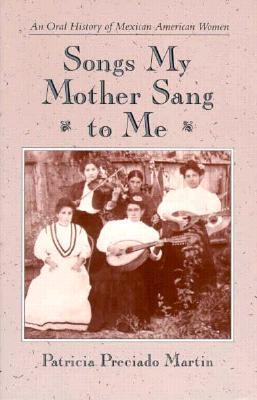
Memoir author and lifewriting workshop leader Susan Weidner was recently on a writing retreat in Tucson where she met fellow lifewriter Patricia Preciado Martin. Susan interviewed Patricia about her passion for gathering personal stories of Mexican American culture and history, including folk tales. After Patricia got tired of seeing Mexican American women portrayed as stereotypes, she gathered stories of real women and published Songs My Mother Sang to Me. Hop on over to Susan’s Women’s Writing Circle blog to read her post, Stories of Women in the Southwest, about Patricia’s important work. Patricia talks about doing research before interviewing a subject. Knowledge of the person’s culture and the history and sociology around the time of his or her earlier life does help identify important questions to ask, but don’t let that stop you from doing an interview. Once the stories start coming out, you may find yourself like a curious child sitting big-eyed at a grandparent’s knee—full of questions.

Songs My Mother Sang to Me

Posted in capturing memories, Cherry Blossoms in Twilight, heritage, history, multicultural, storytelling, traditions, war stories, WWII | Tagged , | 3 Comments

Wil Haygood and the Butler: memories almost lost

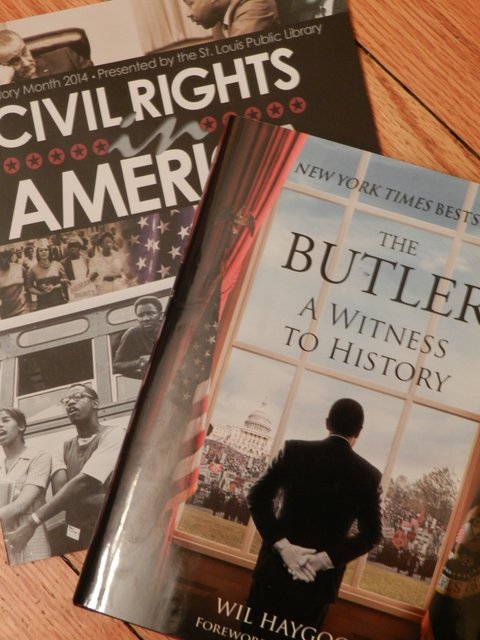
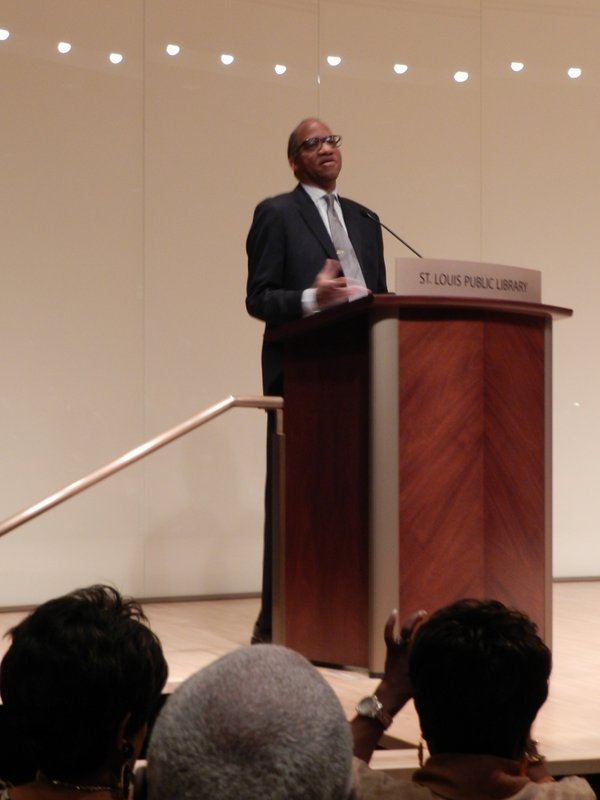
DSCN4833Wil Haygood, journalist and author of The Butler: A Witness to History, was the keynote speaker today at the St. Louis Public Library, formally starting off Black History Month in St. Louis. Formally, because programs started on the first of February, and a free screening of The Butler movie was a few days later. I missed the movie and will have to see it, but I have Wil’s book, surprisingly slim at 95 pages including photos from the movie and an essay about African Americans portrayed in Hollywood movies. I had expected some big biography, but Eugene Allen, the butler, died only 16 months after Wil Haygood first spoke with him. And sadly, Helene Allen, Eugene’s wife, had died in her sleep only a few days after that first meeting. The book is about Haygood’s experiences finding and befriending Eugene and about the filming of the movie, which is not about the real Eugene, but incorporates some of his stories.

Wil Haygood is a good speaker, one who knows how to pause at the right moments. He kept us enthralled with his story. An audience member commented during the Q&A, “Your story of coming to tell the story is a story in itself.” That was true; how Haygood found Eugene Allen and got his stories was fascinating stuff. Haygood believed Barack Obama would win the presidency after he saw three white girls crying on the sidewalk one day and found it was because their daddies were refusing to speak to them because they were going to vote for a black man. If young ladies in the South were daring to rebel against their daddies . . .  Haygood the reporter wanted a story about a black person’s thoughts about the first black man elected president, thoughts from someone who had worked in the White House and been around during the civil rights era. On a tip, Haygood’s 57th call to the Eugene Allens in the phone book hit the jackpot.

After interviewing Allen and his wife, Haygood posted an article on the history of blacks in the White House that ran in the Washington Post on the day of Helene Allen’s burial – three days after Obama was elected. “A Butler Well Served by this Election” brought letters to Eugene and to Wil from all over the world, many expressing sadness that Helene died one day before she could have voted for the first black president.

Helene had been the one telling people her husband had important stories. She died happy, announcing to their son the night before that someone had finally come to write down those stories. After listening to Eugene, an astonished Haygood had asked him whether anyone had written his stories down before. Eugene answered, “If you think I’m worthy, you’ll be the first.”

Do you know anyone worthy enough for you to write down their stories? You never know.

Wil Haygood wearing a tie clip given to him by Eugene Allen, given to him by John F. Kennedy.

Wil Haygood wearing a tie clip given to him by Eugene Allen, given to him by John F. Kennedy.

Posted in Uncategorized | Leave a comment