Are you afraid to write your memoir? It’s scary out there!

Last week I talked about the ferocious world of extremist views out there lately and how people are getting very emotional, jumping to conclusions and verbally attacking each other. Might make you a little afraid to write your memoir. What if you say the “wrong” thing and your family thinks you are an ignoramus worth forgetting?

For one thing, you probably won’t be writing many extremist views in your memoir because a memoir is not a bunch of political or philosophical essays. That would be like writing your own version of The Federalist Papers or Plato’s Republic. Fine, but not a memoir.

A memoir is a written record of a period of your life and what you thought about it. It’s okay to have opinions unpopular with your family. The point is not the opinions but the story behind those opinions. What makes you think that way? Opinions generally flow out of the stories you tell; it’s more rare to tell stories just to talk about an opinion.

My husband’s side of our family is from the South. His grandparents lived in a time of prejudice against black people. It was The Way of Thinking.  They were nice to black people yet seemed to think of them as large children, even though they were experts at butchering hogs. They had been brought up to think of their black friends and farm helpers a certain way, and their black friends were probably brought up to think that’s just the way these white people were. I did not try to teach my husband’s elders a lesson with my pointer finger, nor did I disown or belittle them. If they had actually mistreated someone, I know I’d feel differently.

Do we whitewash politically incorrect views out of our stories, out of our history? Will we disown our family members who think differently than we do? Not usually. They are family, and we usually love them enough not to disown them over mere opinions. Usually we put up with really bad behavior, too!

Our opinions and behaviors are a part of who we are and usually a result of the social culture and history of the time. In times of sociocultural transition, big differences of opinion are common. When there are polar opposites in the family, it’s best to agree to disagree and avoid discussion. On my own side of the family, I’m not sure we can talk about anything important when we’re all together!

The best part of memoir is that it is the written word, so nobody’s going to stop you in the middle and have a verbal argument about your political or religious beliefs or why you shouldn’t be a vegetarian.  I don’t believe in removing traditional Christian thoughts or leaving out the part where you were excited to vote for Barack Obama. Do you delete the paragraph explaining you think NASA faked the Apollo moon landings? Why bother; it makes you look colorful. It’s not the opinion that matters, it’s the story behind it, what we can learn from it, and how we can appreciate you as a three-dimensional person. We do not need to accept all of a person’s opinions before we can love them or learn from them. Most people understand this.

Here’s a related post on listening and learning and accepting:  Statements or Questions, by my online buddy, Earl. B. Russell.

Be more than a shadow

Posted in history, memoir writing | Tagged | 7 Comments

Write your philosophy

What’s your philosophy of life? The ruckus from the recent Chick-fil-a debate sure put life and religious philosophy in the limelight, and it wasn’t a pretty sight. There were many instances of emotions taking over reasoning, with not a lot of tolerance shown for dissenting opinions. In this age of polarization, at least here in the U.S., especially with presidential elections coming up, the atmosphere is nasty and even a little frightening to some.

Some people may think lifewriting is only for famous people or those who have led important or exciting lives, but it is not. It is to leave who you are and what you learned to future generations. It is not just remembering what happened in the past and writing it down, it is writing down who you are and what the past meant to you. You could just stick with facts and historic events, but your family will want to remember more than that—they want to remember you.

Who are you? What are the events that shaped your life? How did they affect you? These events are not just facts but opportunities for philosophical reasoning. Life philosophy, religious philosophy, even political philosophy. If you are religious, why are you and have you ever questioned it? How have your beliefs changed over time? Where did you get your life philosophy from and can you give examples of how you live it? How have our wars or the illegal immigrant situation affected your philosophies. If you dare get into political philosophy, you may need to edit with a butcher knife to avoid creating a gigantic tome.

Unless your writings are intended to be major essays about your belief systems, it is probably best to stick with inserting bits and pieces of your thoughts and philosophies as pertinent throughout the writing of your stories, although including an essay or two among a series of vignettes (mini stories) is fine. Lifewritings I recently edited included what I’d almost call letters to children about what shaped their mother and life advice she wanted to pass on from her experiences.

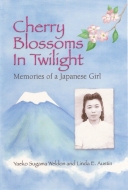
In my own mother’s Japanese memoir, Cherry Blossoms in Twilight, some readers commented on wanting to know more about what my mother thought and felt, especially since the memories are about poverty and war. Unfortunately, when you’re in your seventies and long and far removed from those old days, you don’t always remember way back when. Also, the Japanese are known for their stoicism, their gaman, which means to accept it and do your best. But the philosophies that did get into the book are perhaps all the more powerful because they are rare. “Don’t hate the enemy, they are only doing their job.”

Peace, love and understanding

“Together”


Posted in capturing memories, lifewriting | Tagged | 4 Comments

Memories of Life in the Country

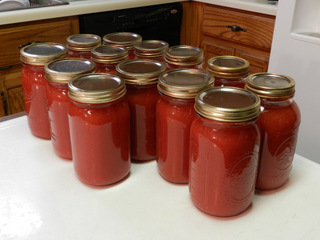
Last weekend my college girl and I took off for the countryside of west Tennessee to see her grandparents, her last chance for a long time. As soon as we had unpacked the car, I sat down at the kitchen table with my mother-in-law to help get tomatoes ready to can. Sticking my fingers into soft, warm fruits whose skins had come off easily after a quick boil, I pulled out the white cores, my cotton apron spattered with red juice.

I watched my mom-in-law puree the tomatoes, cook the watery redness in a huge pot, then ladle into sterilized jars that went into a boiling water bath for a final cook. As they cooled on the old porcelain-topped table, the lids sucked in with the sound of popping corn, sealing in the goodness that would make delicious chili and vegetable soup on cold days.

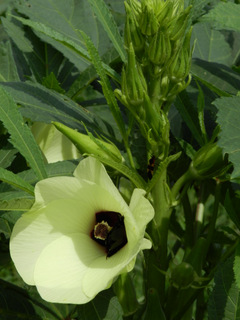
The next day my young cousin went out in the heat of the day with no gloves to cut okra from tall, prickly plants that would ooze slime and scrape hands and arms raw, but she didn’t seem to be bothered. A big bag would go home with me to save for gumbo or be turned into frozen breaded okra.

Okra

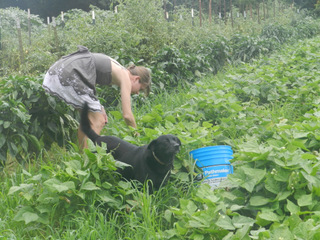
After a heavenly all-vegetable supper of fried okra and eggplant, homemade creamed corn, butter beans, cornbread and succulent right-off-the-vine tomatoes, my daughter and I and mom-in-law went out to the fields to pick out two long rows of green beans. Molly the black dog sniffed her way through the garden, her tail flagging her presence.

Bush beans have a way of hiding down in the depths, like buried treasure, and thank goodness there were no spiders buried with them, just a toad. My arms got a rash, but I picked away and proudly watched my daughter go at it while wearing a sundress and mere flipflops against the tall grassy weeds among the rows. Cicadas screaming from the trees made the air seem hotter.

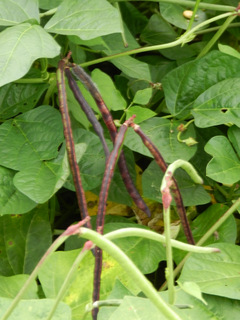
Purple-hull peas

My in-laws are lucky to have a daughter and her family nearby who help with their huge garden. I think not too many kids these days would be willing to sweat it out in hot fields cutting beastly okra pods and stooping to gather peas and hidden beans every other day. While our family doesn’t get down there often during harvesting season, my girls and I have helped and I love that they learn how food grows and what labor it is to gather it in. I believe they have a healthy respect for migrant workers.

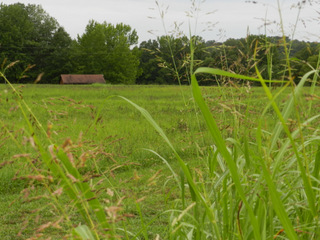
On the last day I spent a bit of time on the shaded back porch listening to the cicadas and dreaming over a wide meadow. Then it was time to pack the car full of fresh vegetables and head back to the city. I was leaving good memories behind, but I had some poems, some notes on canning and freezing, and some more food stories from my mom-in-law for the little book I’m writing about her. Yes, it was a very good visit.

Air shimmers with heat
rising with the cicadas
buzz-saw crescendo

The meadow calls me
out to play with grasshoppers
before the haying

Posted in grandparents, memories | Tagged , | 3 Comments